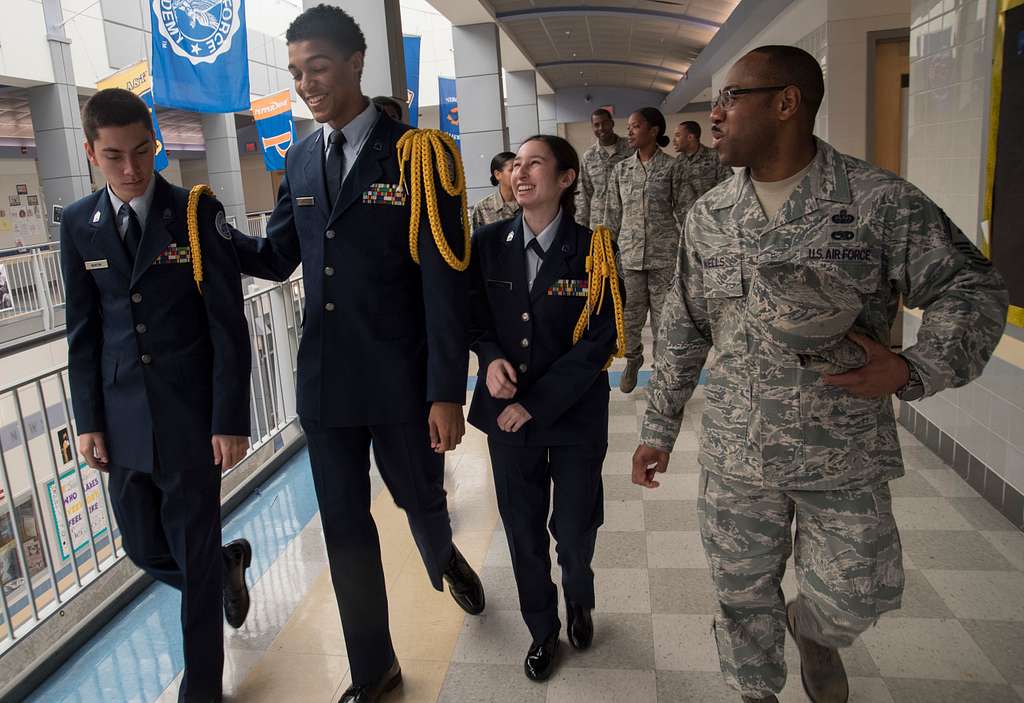
Why Consider Military Service After High School?
For many high school seniors, college seems like the default next step, but it’s not the only path to a successful career. The U.S. Department of Defense recruits thousands of young adults annually, offering structured career paths, financial benefits, and unique experiences. According to the U.S. Bureau of Labor Statistics, military careers span diverse fields, from cybersecurity to healthcare, many of which don’t require a college degree.
“Military service can be a game-changer for young people who want to gain skills, serve their country, and avoid debt,” said Capt. James Carter, a recruiter for the U.S. Army. “But it’s a big commitment that requires careful consideration.”
Pros of Military Service for High School Graduates
Joining the military offers numerous benefits that make it an attractive option for those unsure about college. Here are the key advantages:
1. Free Training and Skill Development
The military provides extensive training in fields like engineering, aviation, IT, and healthcare. For example, the Army’s career fields include roles like cyber operations specialist, which offers skills transferable to civilian jobs. Training is fully funded, and recruits earn industry-recognized certifications, such as CompTIA Security+ for cybersecurity roles.
Unlike college, where students pay for education, military training is free, and recruits earn a paycheck during training. The BLS notes that skills learned in the military, such as leadership and technical expertise, are highly valued in civilian workplaces.
2. Competitive Pay and Benefits
Enlisted personnel start with a base pay of approximately $25,000 annually, according to the Defense Finance and Accounting Service. Additional allowances for housing, food, and hazardous duty can increase total compensation significantly. For example, a married E-4 (specialist) with two years of service can earn over $40,000 annually with allowances.
Other benefits include comprehensive healthcare, retirement plans, and life insurance. The military also offers bonuses for high-demand roles, with some exceeding $40,000 for fields like linguistics or special operations.
3. Education Funding Through the GI Bill
The Post-9/11 GI Bill covers tuition, housing, and books for veterans pursuing college or vocational training after service. For example, a veteran attending a public university could receive up to $26,000 annually for tuition, plus a housing stipend. This allows recruits to serve, gain experience, and pursue higher education later without debt.
4. Job Security and Career Advancement
The military offers guaranteed employment during enlistment, typically lasting two to six years. Recruits can advance through ranks, earning higher pay and responsibilities. For example, an E-7 (sergeant first class) with eight years of service can earn over $60,000 annually. Long-term careers in the military can lead to pensions after 20 years, a rarity in civilian jobs.
5. Personal Growth and Discipline
Military service fosters leadership, teamwork, and resilience. Recruits like 19-year-old Pvt. Sarah Nguyen, who joined the U.S. Marine Corps in 2024, credit the experience with building confidence. “The discipline I learned in basic training changed how I approach challenges,” Nguyen said. These skills translate to any career path.
6. Global Opportunities and Travel
Military service offers the chance to live and work worldwide, from bases in Germany to Japan. This exposure to diverse cultures and environments is a unique benefit not typically available in college or entry-level jobs.
Cons of Military Service for High School Graduates
While military service offers significant benefits, it’s not without challenges. Here are the key drawbacks to consider:
1. Intense Physical and Mental Demands
Basic training is physically grueling, and some roles involve high-risk duties. Recruits must pass fitness tests and maintain readiness. Mental health challenges, such as stress or post-traumatic stress disorder (PTSD), can arise, particularly for those deployed to conflict zones. The Department of Veterans Affairs reports that 10-20% of veterans experience PTSD.
2. Long-Term Commitment
Enlistment contracts typically require two to six years of active duty, plus reserve obligations. Breaking a contract is difficult, and the structured lifestyle may feel restrictive for some. Unlike college, where students can change majors or drop out, military service demands commitment.
3. Potential for Dangerous Assignments
While not all roles involve combat, some recruits may face hazardous duties or deployments to unstable regions. The risk of injury or death, though rare, is a reality. For example, the Department of Defense reported 13 fatalities in 2023 due to hostile actions.
4. Limited Personal Freedom
Military life involves strict rules, schedules, and hierarchies. Recruits may have limited control over where they’re stationed or what roles they’re assigned. This can be a stark contrast to the flexibility of college or civilian life.
5. Transition Challenges to Civilian Life
Some veterans struggle to translate military experience to civilian jobs. While skills like leadership are universal, technical roles may require additional certifications. The Department of Labor’s Veterans’ Employment and Training Service offers support, but the transition can be daunting.
6. Delayed College or Career Goals
For those who eventually want a degree, military service delays college entry. While the GI Bill helps, veterans may face challenges adjusting to academic life after years of service. Additionally, some civilian employers may prioritize candidates with immediate college degrees for certain roles.
How to Decide If Military Service Is Right for You
Choosing between military service and college requires self-reflection and research. Here are key factors to consider:
1. What Are Your Career Goals?
Research whether your desired career requires a degree or if military training can suffice. For example, roles like cybersecurity specialist or aircraft mechanic align with military training, while careers like law or medicine typically require college. The Occupational Outlook Handbook can clarify job requirements.
2. Are You Comfortable With Structure?
Military life thrives on discipline and hierarchy. If you prefer independence or a flexible lifestyle, college or other paths like entrepreneurship may be better. Conversely, if you value structure and clear goals, the military could be a great fit.
3. Can You Handle Physical and Mental Challenges?
Assess your physical fitness and mental resilience. Basic training is demanding, and some roles require ongoing fitness standards. Speak with a recruiter or current service members to understand the rigors of military life.
4. Do Financial Benefits Matter Most?
College often leads to debt, with the average borrower owing $30,000, per the U.S. Department of Education. Military service offers immediate income, benefits, and future education funding, making it ideal for those prioritizing financial stability.
5. Are You Open to Service and Sacrifice?
Military service involves a commitment to country and community. If serving others aligns with your values, the military can be rewarding. If personal freedom is a priority, consider alternatives like trade schools or freelancing.
Comparing Military Service to College
To help make the decision, here’s a comparison of military service and college:
| Factor | Military Service | College |
|---|---|---|
| Cost | Free training, paid during service | $40,000+/year (public university) |
| Time Commitment | 2-6 years (active duty) | 4+ years |
| Earnings | $25,000-$60,000+ with benefits | Delayed earnings, potential debt |
| Career Paths | Technical, leadership, trades | Academic, professional fields |
| Flexibility | Limited during service | High, with ability to change majors |
Steps to Explore Military Service
If you’re considering the military, take these steps to make an informed choice:
- Contact a Recruiter: Reach out to recruiters from the Army, Navy, Air Force, Marines, or Space Force to discuss roles and requirements.
- Take the ASVAB: The Armed Services Vocational Aptitude Battery test assesses your skills and matches you with suitable roles.
- Research Benefits: Explore GI Bill, healthcare, and retirement benefits on VA.gov.
- Talk to Veterans: Connect with current or former service members through platforms like LinkedIn to hear firsthand experiences.
- Consider Alternatives: Compare military service to options like apprenticeships or online certifications.
Success Stories: Military Service in Action
Many high school graduates have thrived in the military. Take Spc. Michael Torres, who joined the Army at 18 and trained as a drone operator. By 2024, he earned $45,000 annually and plans to use the GI Bill for a computer science degree. “The military gave me skills and purpose,” Torres said. “I’m debt-free and ahead of my peers.”
Similarly, Airman First Class Emily Chen became a cybersecurity specialist in the Air Force. Her training led to a CompTIA certification, positioning her for high-paying civilian tech jobs. These stories highlight the military’s potential to launch rewarding careers.
Challenges and Support for Military Recruits
While the military offers opportunities, challenges like deployments or mental health concerns require support. The VA provides counseling, healthcare, and transition programs. Organizations like Wounded Warrior Project also assist veterans with career guidance and mental health resources.
The Future of Military Careers
The military is evolving to meet modern demands, with growing emphasis on technology, cybersecurity, and renewable energy. The BLS projects strong demand for skills like drone operation and IT, many of which are taught in the military. As employers prioritize experience over degrees, military service remains a competitive path.
Conclusion: Is Military Service Right for You?
For high school graduates, military service offers a debt-free path to skills, financial stability, and personal growth, but it comes with challenges like demanding commitments and potential risks. By assessing career goals, financial needs, and personal values, graduates can decide if the military or college is the better fit. Resources like Defense.gov and recruiters can guide the process.
“The military isn’t for everyone, but for those who choose it, it can be transformative,” said Capt. Carter. “Know yourself and your goals before deciding.”